
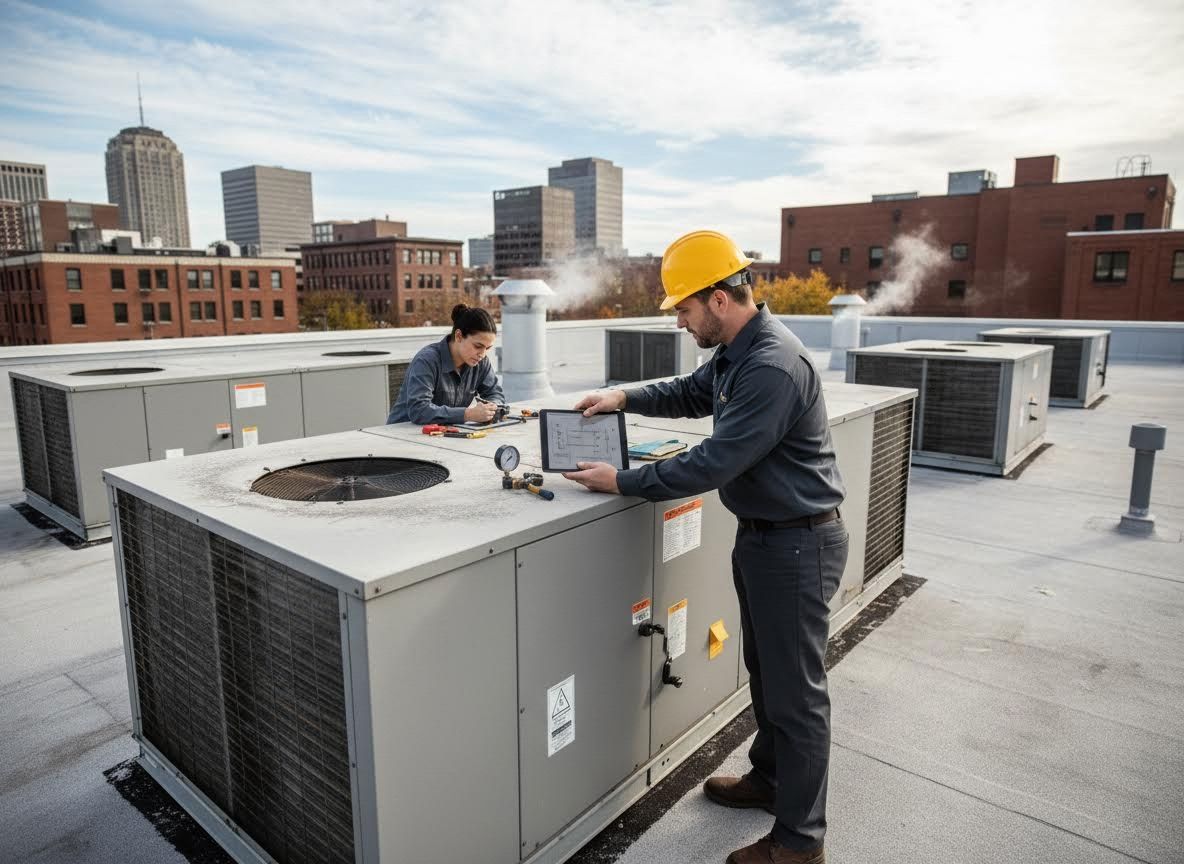
Commercial rooftop units are essential for maintaining comfortable and productive environments in businesses across New Hampshire and Massachusetts. However, a common and often costly issue known as "short cycling" can undermine their efficiency and longevity. When an HVAC unit short cycles, it means it turns on and off too frequently, failing to complete a full heating or cooling cycle. Understanding the financial and operational implications of this problem is crucial for any business, and B&B Mechanical Services Inc. is dedicated to helping you mitigate these risks.
Understanding Short Cycling in Commercial Units
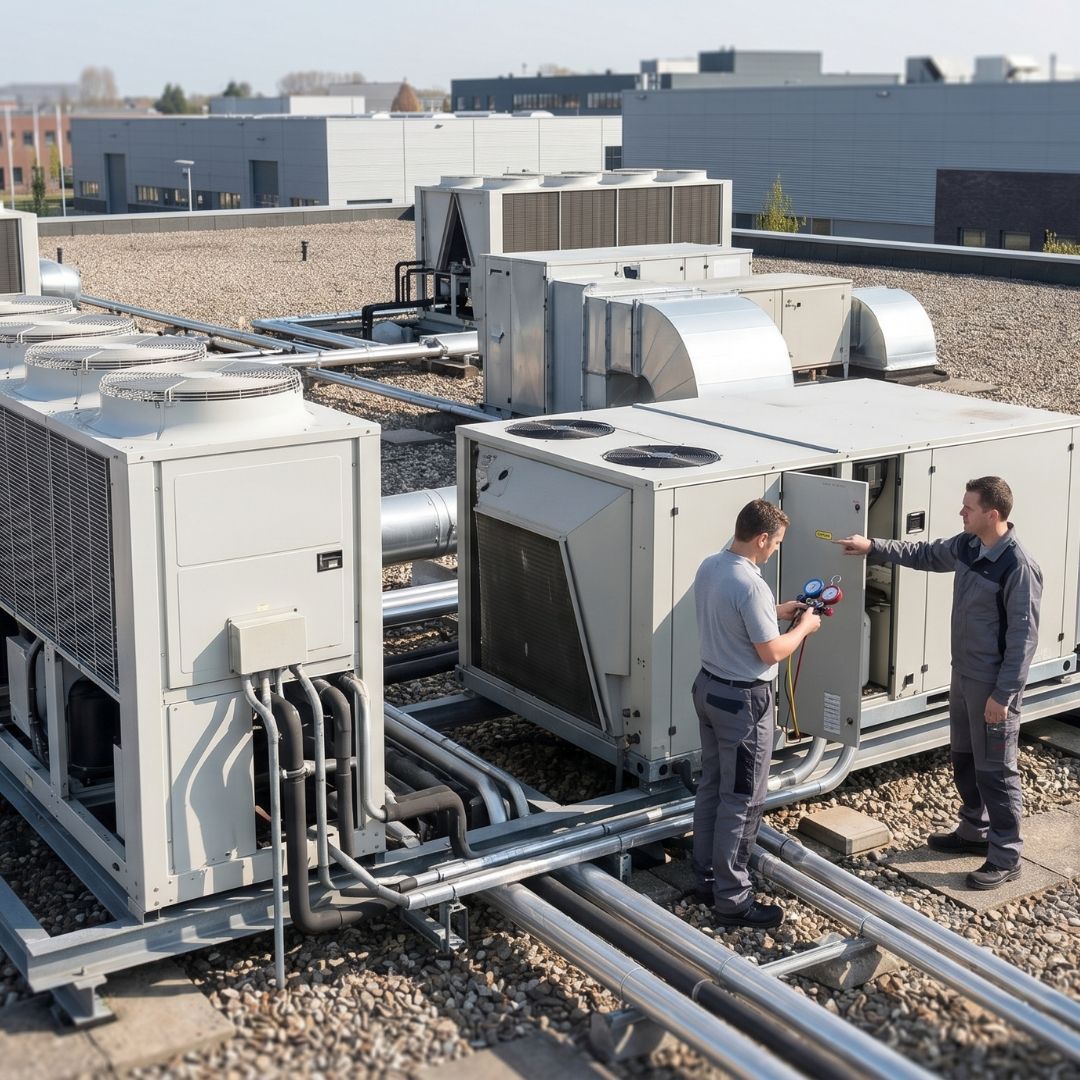
Short cycling occurs when a commercial rooftop unit starts its operational cycle but shuts down prematurely before achieving the desired temperature or completing its full cycle. This can be caused by various factors. Common culprits include an oversized unit for the space it serves, which cools or heats the area too quickly and then shuts off. Other causes can involve low refrigerant levels, dirty air filters restricting airflow, issues with the thermostat or sensors, or even electrical problems. Identifying the root cause is the first step toward a lasting solution.
The Direct Financial Burden
The most immediate and obvious cost of short cycling is the significant increase in energy consumption. Each time a unit starts, it draws a substantial amount of power, especially the compressor. When this happens repeatedly and unnecessarily, it drives up utility bills considerably, impacting your operating budget. Beyond energy waste, short cycling accelerates wear and tear on critical components, particularly the compressor, which is often the most expensive part of a commercial HVAC system. This leads to more frequent breakdowns, higher repair costs, and a shortened lifespan for the entire unit, potentially necessitating premature replacement of expensive equipment. Regular commercial HVAC maintenance is key to identifying and preventing these issues.
Indirect Costs and Operational Impact
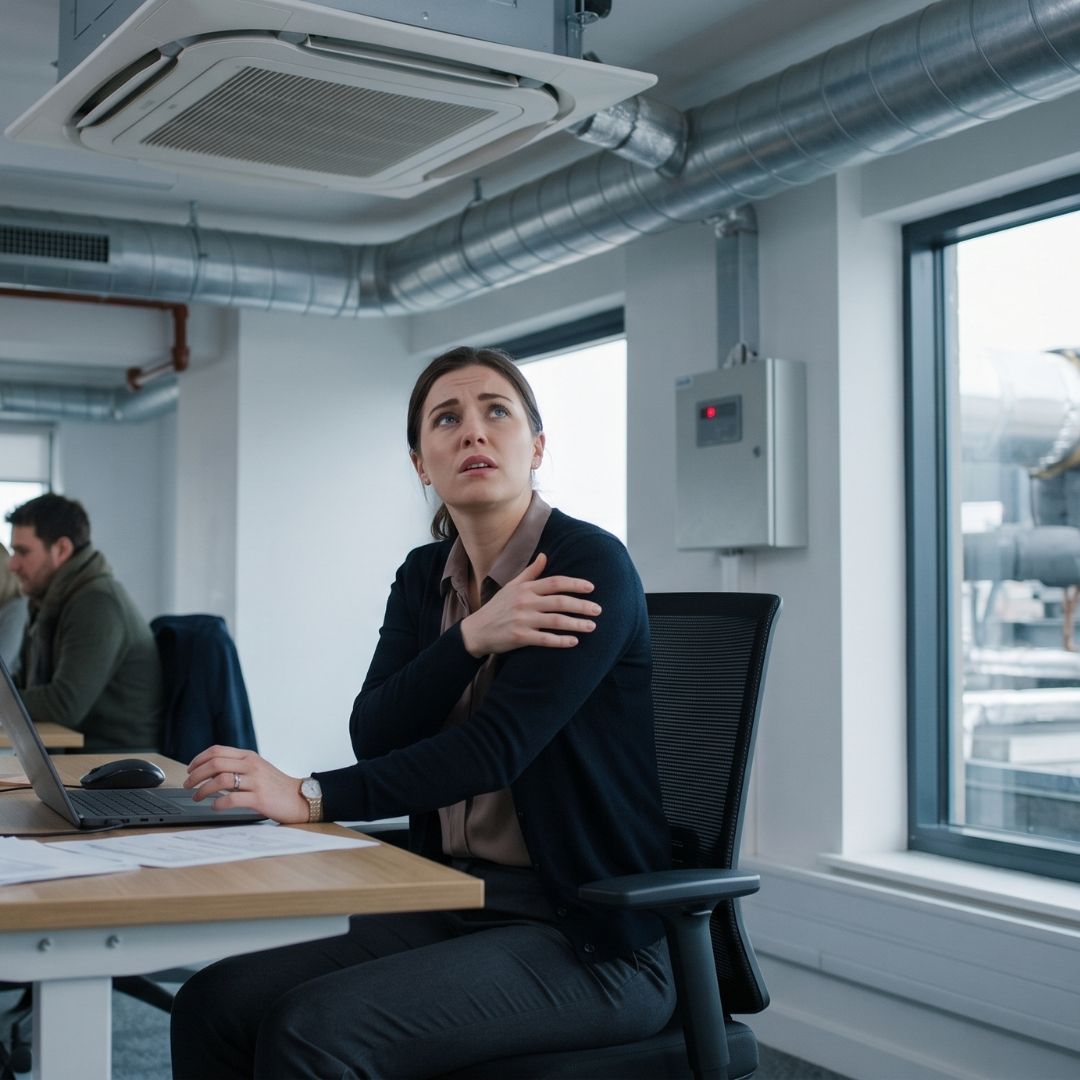
Beyond the direct financial hit, short cycling can have several indirect costs that affect your business's bottom line and operational efficiency. Inconsistent temperatures due to a unit constantly turning on and off can lead to uncomfortable conditions for employees, customers, or tenants, potentially reducing productivity or deterring patronage. For businesses that rely on precise temperature control for sensitive products or equipment, short cycling can lead to spoilage or operational disruptions. Furthermore, the constant starting and stopping put undue stress not just on the HVAC system itself but on your electrical infrastructure, potentially causing other issues. Reliable commercial heating is vital for many businesses during colder months, and short cycling can severely compromise this.
Preventing and Addressing Short Cycling
The best defense against the costs of short cycling is proactive management and professional intervention. Ensuring your commercial rooftop unit is properly sized for your facility is paramount from the outset. Regular, professional commercial HVAC maintenance is essential for identifying and rectifying issues like low refrigerant, dirty components, or faulty sensors before they lead to short cycling. Experienced HVAC contractors can diagnose the precise cause of short cycling and recommend tailored solutions, from calibrating thermostats to performing necessary repairs or suggesting system optimizations for energy efficiency and longevity.
Addressing short cycling is not just about comfort; it's about protecting your investment and ensuring long-term operational efficiency. Proactive measures and expert attention can prevent unnecessary expenses and extend the life of your equipment, keeping your business comfortable and productive. For detailed guidance on optimizing your commercial HVAC system and preventing issues like short cycling, contact B&B Mechanical Services Inc. to learn more about our comprehensive service offerings.