

Navigating the comfort challenges of an older commercial building often includes a frustrating phenomenon: the "hot floor, cold floor" complaint. This common issue plagues many businesses, leading to uncomfortable employees, unhappy tenants, and higher energy bills. Understanding why these temperature discrepancies occur is the first step toward creating a more balanced and efficient indoor environment. At B&B Mechanical Services Inc., we have decades of experience diagnosing and resolving these complex issues, ensuring consistent comfort throughout your property.
Outdated HVAC Systems and Infrastructure
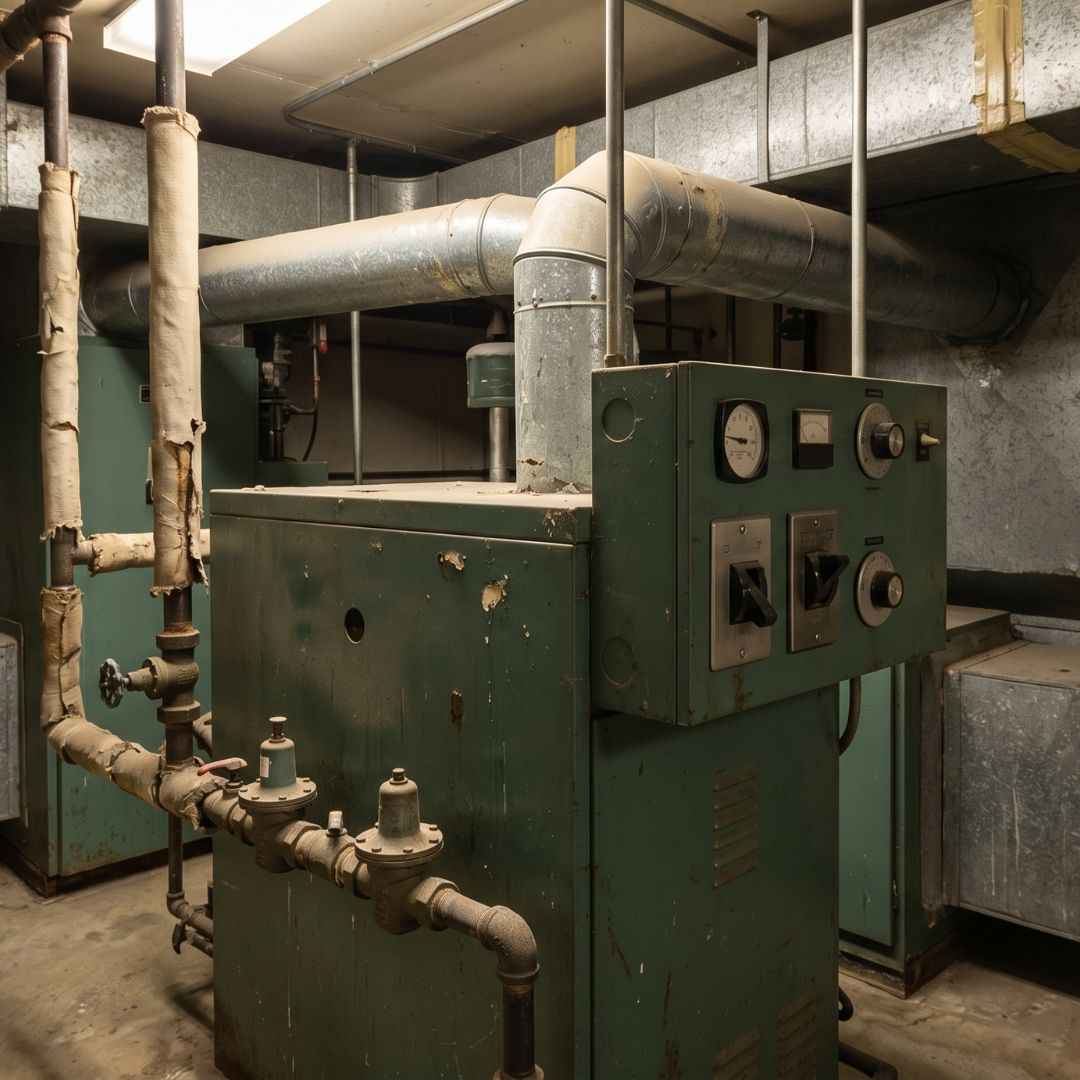
Many older commercial buildings were constructed with heating, ventilation, and air conditioning (HVAC) systems that are simply not equipped to meet modern demands. Over time, components wear out, technology becomes obsolete, and the efficiency of the entire system diminishes. An aging boiler or furnace may struggle to distribute heat evenly, while original ductwork might be undersized or damaged, leading to uneven air distribution. These systems often lack the precise controls available in newer units, making it difficult to regulate temperatures effectively across different zones and contributing significantly to the hot and cold spots throughout a facility.
Inadequate Building Envelope and Insulation
The structural integrity of an older building, often referred to as its "building envelope," plays a crucial role in maintaining consistent indoor temperatures. Issues such as poorly insulated walls, roofs, and foundations allow significant heat transfer, meaning conditioned air escapes and unconditioned air infiltrates. Drafts from old windows and doors, gaps around utility penetrations, and a general lack of modern insulation standards can create localized cold spots, particularly on lower floors or near exterior walls, while other areas, perhaps interior or upper floors, become disproportionately warm. Addressing these envelope deficiencies is as critical as evaluating the HVAC system itself for overall comfort.
Inefficient Zoning and Air Distribution
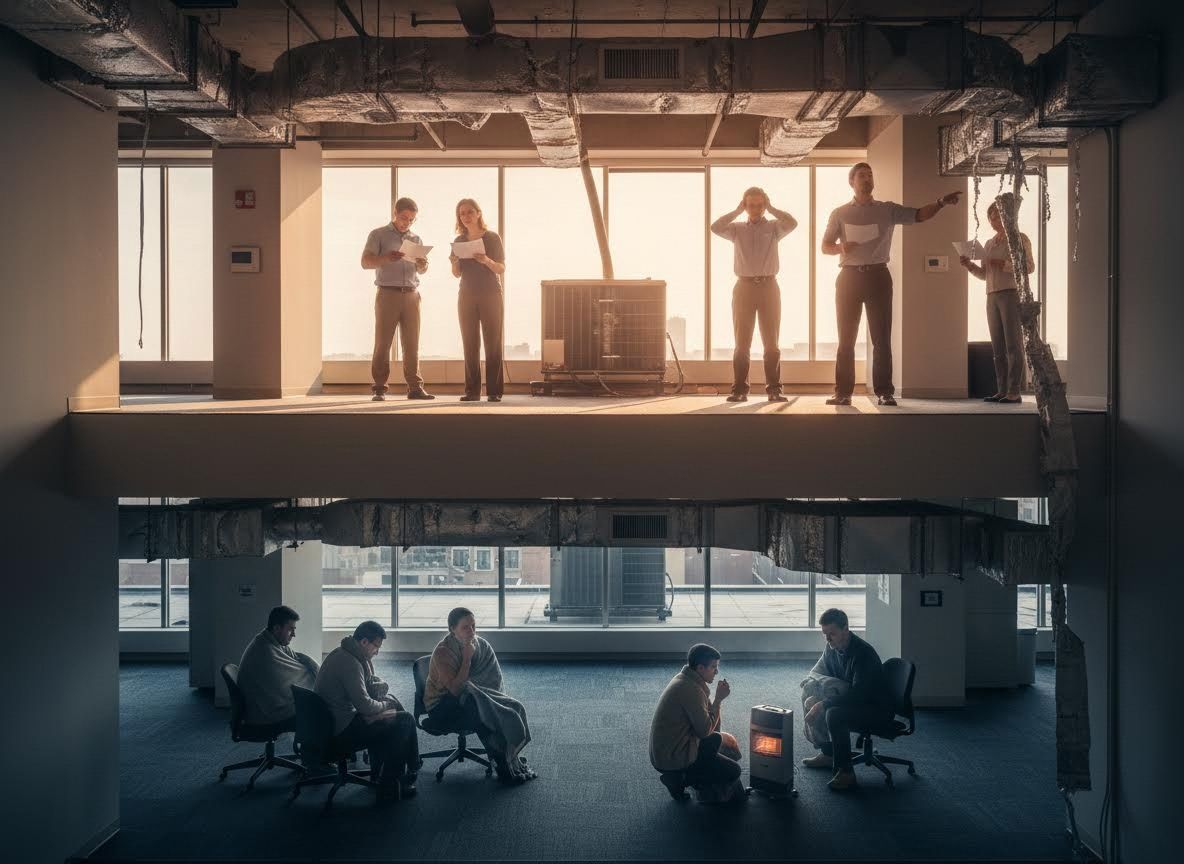
Uneven temperatures in older commercial buildings often stem from a lack of proper zoning or issues with the air distribution network. Many legacy systems operate as single-zone units, meaning one thermostat attempts to control the temperature for an entire floor or even an entire building. This approach fails to account for diverse heat loads caused by factors like sun exposure, internal equipment, occupancy levels, or varying activities within different spaces. Furthermore, the ductwork itself can be a culprit. Leaky ducts lose conditioned air before it reaches its destination, and poorly designed or obstructed runs can prevent proper airflow to certain areas, resulting in some spaces being too hot and others too cold. Effective commercial heating relies on a well-designed and properly functioning distribution system.
Neglect of Regular Commercial HVAC Maintenance
Even the most advanced HVAC system will eventually falter without consistent care, and this is especially true for older installations. A lack of regular commercial HVAC maintenance is a primary contributor to temperature inconsistencies. Over time, dirt and debris can accumulate on coils, reducing efficiency; filters can become clogged, restricting airflow; and moving parts can wear out, leading to breakdowns. Without periodic inspections and tune-ups by qualified HVAC contractors, minor issues can escalate into significant problems, directly impacting the system's ability to heat and cool effectively and evenly. Skipping maintenance can exacerbate existing problems in older systems, making hot and cold spots more pronounced.
Addressing the "hot floor, cold floor" issue in older commercial buildings requires a comprehensive approach, examining not just the HVAC system but also the building's overall thermal performance. By understanding the common culprits—from aging equipment to neglected commercial HVAC maintenance and building envelope weaknesses—businesses can take proactive steps toward creating a more comfortable and energy-efficient environment. To explore solutions tailored to your specific commercial heating and cooling challenges, we invite you to consult with experienced HVAC contractors.