24/7 emergency24/7 emergency service24/7 emergency service, including weekends and holidays
Office Mon–Fri 8:00 AM–4:30 PM Eastern
888-334-BBMS (2267)Commercial HVAC preventive maintenance
A program through the year
Before winter
Boilers, furnaces and heat pumps.
Before summer
Rooftop units, condensers and air conditioning.
Through the year
Filters, belts, walk-in coolers and freezers.
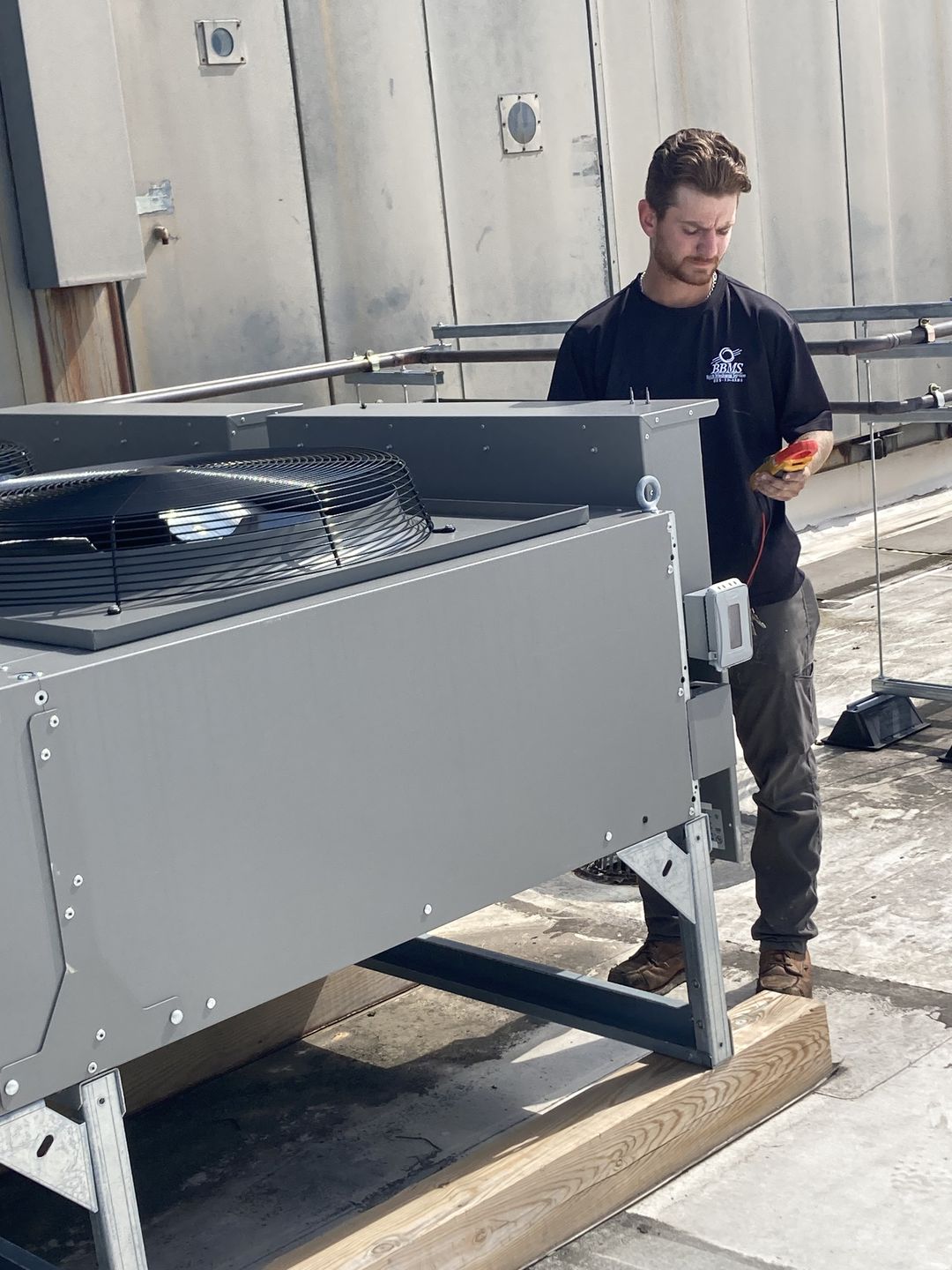
One program for heating, cooling and refrigeration
One contractor looks after the whole site, from the roof to the mechanical room to the walk-in.
Why commercial equipment needs its own program
It runs longer, serves more zones, and sits where it has to stay reachable in business hours. A failure can stop sales or spoil product.
Retail and offices
Comfort for customers and staff through every season.
Kitchens and food storage
Walk-in coolers and freezers that cannot warm up.
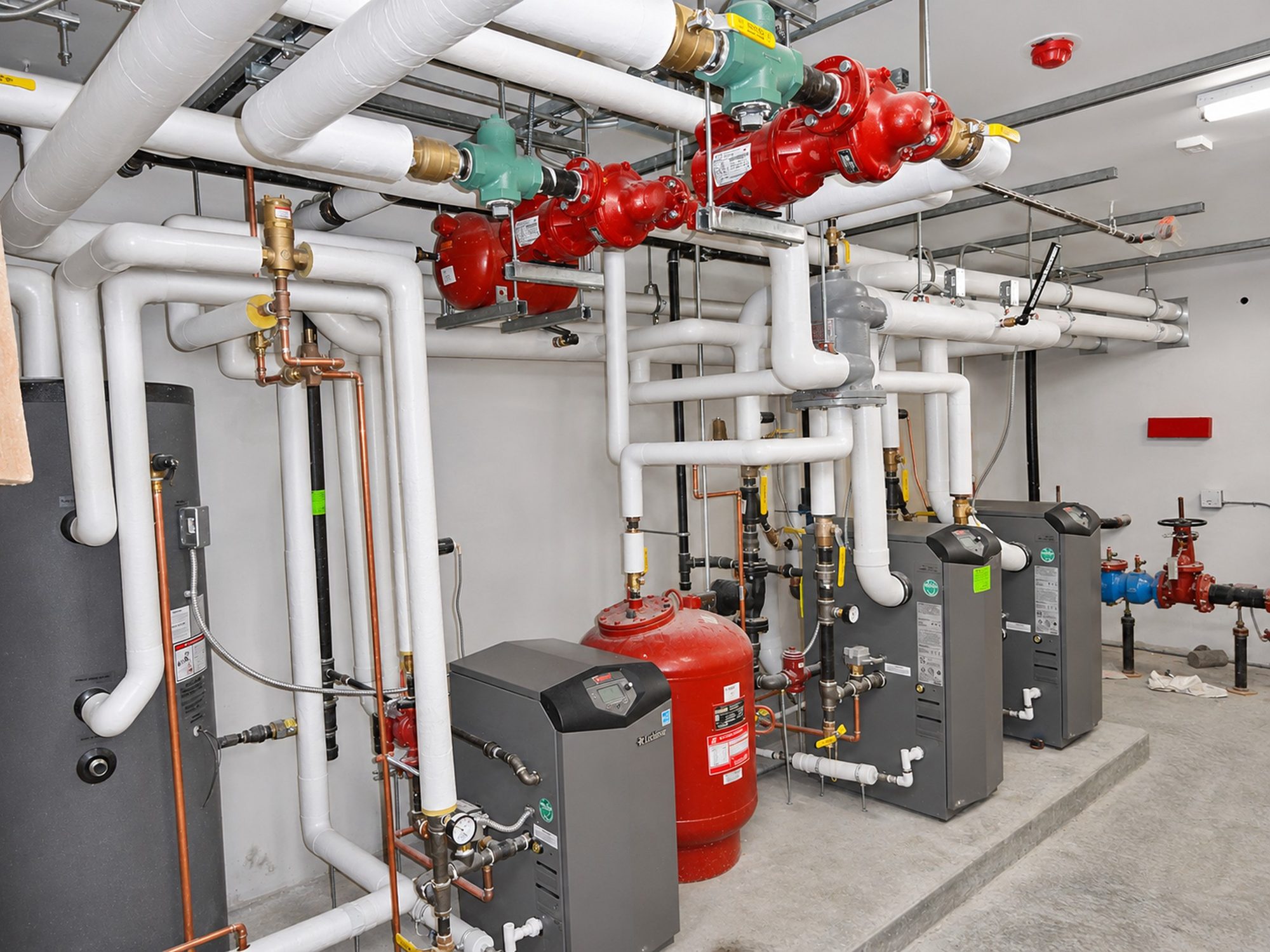
Buildings with boilers
Heat that has to be ready before the first cold night.
Preventive maintenance or repair calls: what is the difference?
Preventive maintenance is work done on a time-based or run-based schedule to detect, prevent or slow the wear of equipment.
Run to failure
Reactive
You call when something has already failed, usually at the worst time.
Baseline: unscheduled repair calls
Scheduled visits
Preventive
Visits on a set schedule catch wear, airflow problems and control issues earlier.
Estimated 12 to 18 percent cost savings over reactive
Trend against a threshold
Predictive
Measurements over time flag a fault before it fails.
A further 8 to 12 percent over preventive
The honest limit: even with preventive maintenance, a major failure can still happen. That is why our 24/7 emergency service stays one call away.
What gets checked on a maintenance visit?
Your visit list is written for the equipment on your site. These are the typical tasks published guidance sets.
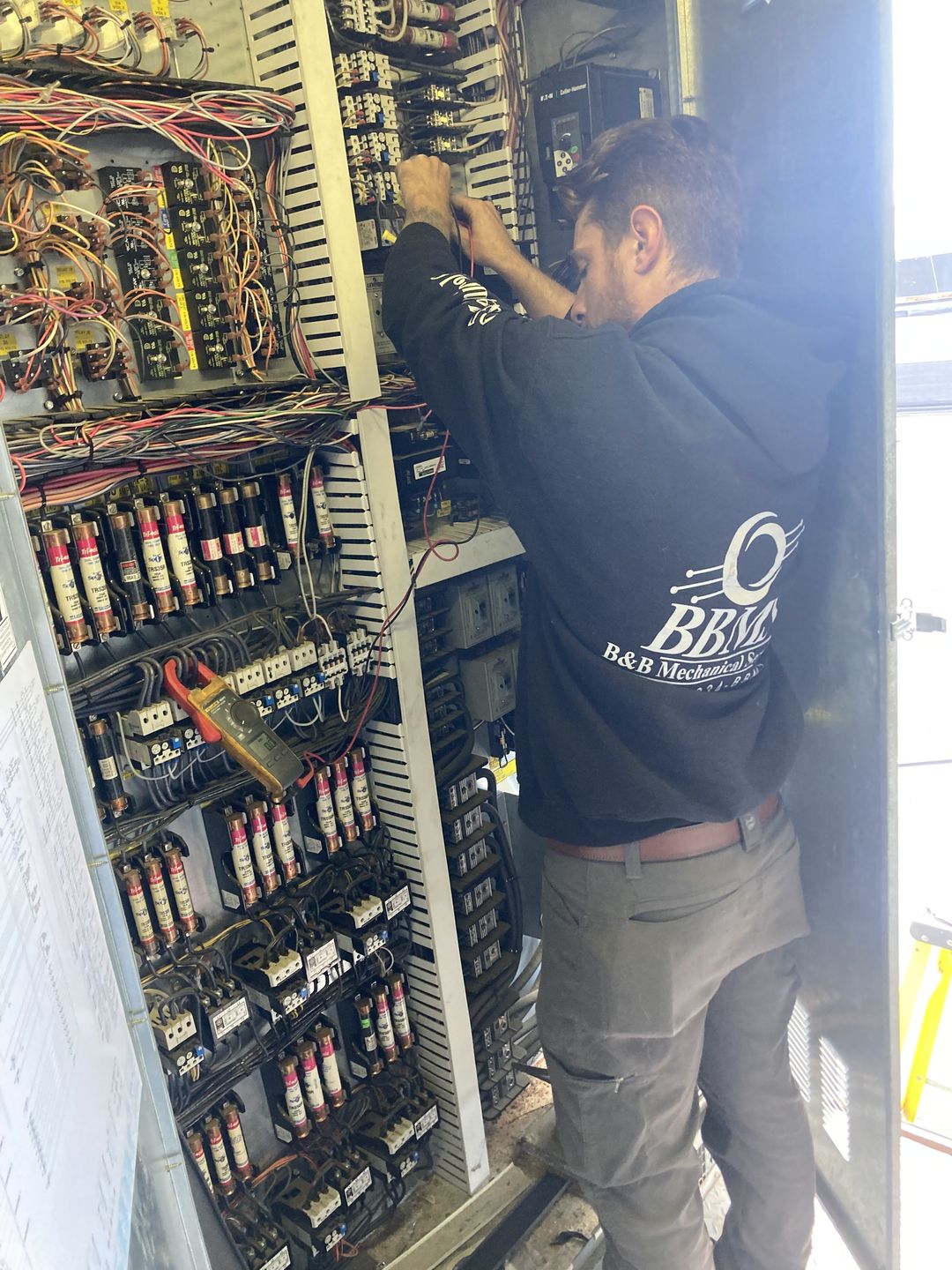
A typical visit list
- Rooftop units: filters, belts and refrigerant lines checked quarterly
- Coils cleaned and condensate drains flushed annually
- Economizers kept working, never run to failure
- Boilers: vents and water treatment checked, controls checked annually
- Furnaces and other fuel-burning heat serviced every year
- Walk-in coolers and freezers on the same program
How often should equipment be serviced?
We recommend that all commercial heating systems undergo a professional inspection at least once a year, ideally before the start of the winter season. A site with heating, cooling and refrigeration usually needs more than one visit a year.
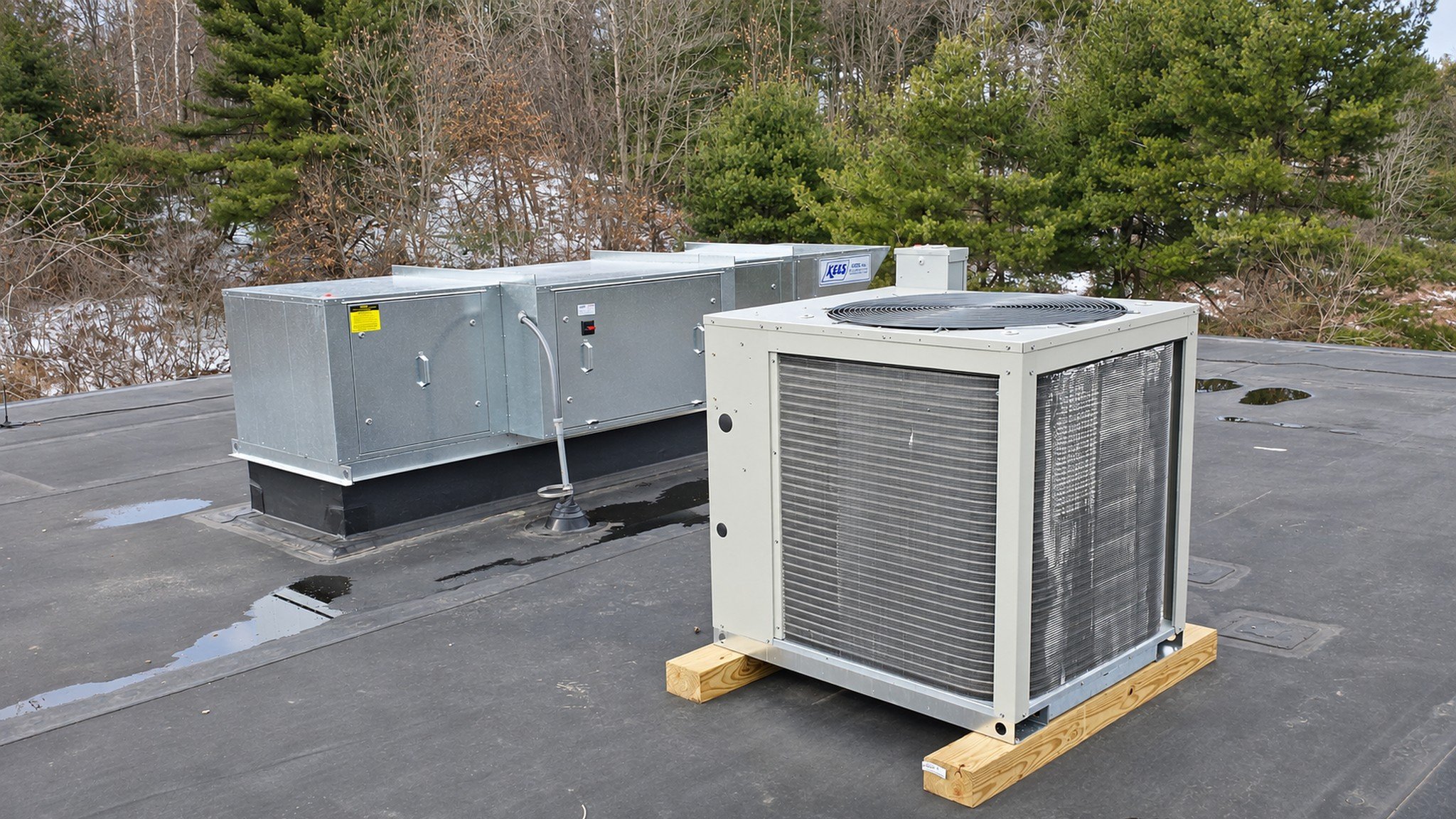
How a maintenance program starts
Starting takes one request: send it any time, or call during office hours, Monday to Friday, 8:00 AM to 4:30 PM Eastern.
Request
Tell us the site address, the equipment and anything already giving trouble.
Site visit
A look at the units, the zones they serve and the failures you have had.
Schedule
Visit frequency and scope are set for your equipment and written into your agreement.
Visits
Technicians work through the list on schedule, around your business hours.
Repairs
Only for a diagnosed fault, with the options explained before parts are ordered.
Quoted for your site. Programs are written after the site visit, for the equipment you run. The work is personalized and fairly priced.
Where: all of Massachusetts except Cape Cod, all of New Hampshire and all of Rhode Island.
Warning signs to report between visits
Spotting these early lets us repair before the system shuts down completely. If equipment has already stopped, call the emergency line.
- Uneven temperatures across zones
- Banging, whistling or grinding noises
- Energy bills rising for no clear reason
- Equipment cycling on and off more often than usual
- A walk-in struggling to hold temperature
Keep a record the next technician can use
Good maintenance is documented, in a logbook or a maintenance system. A short site record also helps whoever manages the building next.
Site record, one per unit
- Unit location, and what it serves
- Filter size, and the last change date
- Zones that run hot, cold or noisy
- Who can shut equipment down and approve a repair
A maintenance contractor that stays with your account
Family-owned and operated, serving New England businesses since 2000, with Jeffrey P Mitza as President. The work is personalized and fairly priced.
- Registered and insured
- 24/7 emergency service if equipment fails between visits
- Same-day service for new and existing customers
“RMS has worked with B&B for 5+ years and is a partnership we value greatly! They are honest, fair and reliable. Highly recommend!!!”
Maintenance contract questions
Do I need a maintenance plan or only repair calls?
Repair calls fix a failure that has already happened. A maintenance plan is for catching wear, airflow problems and control issues earlier. Visit frequency and what each visit includes go in your agreement, because those terms are not a single public package.
Does a program cover refrigeration?
Yes. Our preventive maintenance programs help businesses identify equipment problems early, reduce unexpected downtime, and support reliable operation of heating, cooling, and refrigeration systems.
What does a maintenance program cost?
Programs are quoted per site, because the price depends on the equipment, how much of it there is and how often it needs a visit. We focus on personalized, fairly priced work, and the quote comes after we have seen what you run.
Will preventive maintenance stop every breakdown?
No. It catches most wear early, but a major failure can still happen. When it does, emergency service runs 24 hours a day, seven days a week, including weekends and holidays.
When is replacement better than another repair?
If your heating system is more than fifteen years old or requires frequent, expensive repairs, it may be time for a replacement. We provide honest assessments to help you decide whether a new unit's long-term energy savings outweigh the cost of ongoing repairs.
Do you maintain residential systems too?
Commercial heating, cooling and refrigeration come first. Residential heating and air conditioning services are also available throughout the service area.
Put your equipment on a schedule
Send a service request with your site and equipment, or call during office hours. We will set up a visit and a program written for what you run.