Commercial building HVAC maintenance is easier to plan when it reflects how a restaurant actually operates. Kitchen heat, dining-room comfort, long hours, and changing occupancy all place different demands on building equipment. A practical plan helps operators track system condition, schedule appropriate checks, and document follow-up without assuming every restaurant has the same equipment or needs.
What should a restaurant HVAC maintenance plan cover?
A useful plan connects the systems in the building with the conditions staff and guests experience. It identifies what equipment serves each area, records recurring concerns, and keeps inspection notes and recommendations in one place. The purpose is to help decision-makers understand equipment condition and address issues deliberately. Maintenance does not guarantee that equipment will avoid a breakdown or that every comfort concern will have the same cause.
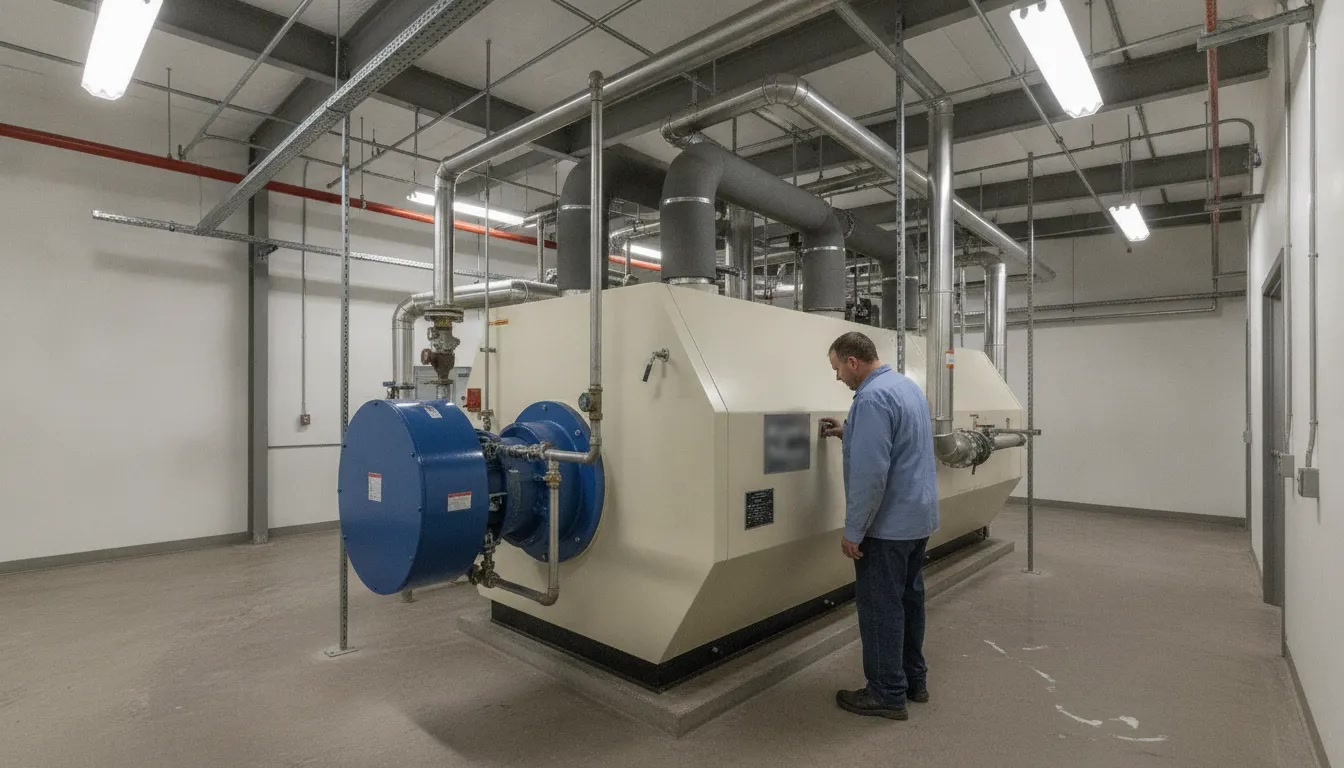
Begin with a simple equipment and area inventory. Include the kitchen, dining room, offices, storage, and any other spaces that depend on heating, cooling, or ventilation. The inventory does not need to become a technical diagnosis. Record what staff can identify, then ask a qualified HVAC provider to confirm details that are unclear.
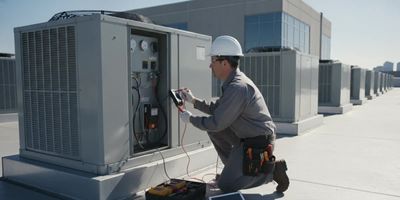
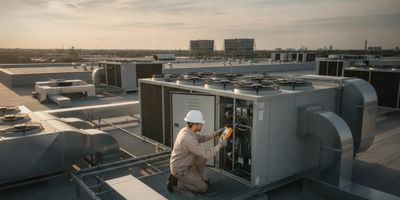
- Equipment and location: list known rooftop units, heating and cooling equipment, thermostats or controls, and ventilation-related equipment, along with the area each appears to serve.
- Available identification: note model or serial information only when it is visible and accessible without opening equipment or entering a restricted area.
- Operating pattern: record public hours, food preparation periods, cleaning windows, delivery times, and days when the building is closed.
- Known concerns: describe where and when comfort or operating issues occur, and whether they recur.
- Service history: keep visit records, completed work, and open recommendations together.
Make the list useful to the person who will arrange service. A shared digital file or maintenance folder can work as long as staff know where to report new observations and who updates the record. If the restaurant has more than one site, keep a separate equipment record for each address instead of assuming identical equipment or operating needs.
How do restaurant operations affect maintenance planning?
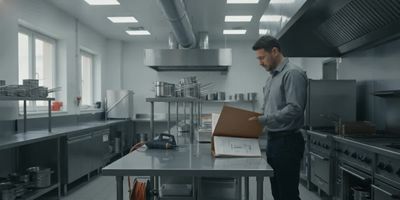
Restaurants have operating patterns that are worth explaining before a service visit. Cooking can add heat and moisture in work areas. Dining rooms may change quickly from lightly occupied to busy. Preparation, deliveries, and cleaning can put parts of the building in use before public opening or after closing. These details help a provider understand the setting; they do not, by themselves, prove a mechanical fault or identify a required repair.
Pick a visit window that provides appropriate access while limiting disruption to food preparation and customer service. Tell the provider about kitchen access rules, roof or mechanical-room access, loading arrangements, restricted areas, and times when a space must remain available. If a concern appears only during a certain workload, explain that pattern when arranging the visit.
For example, a manager might report that the dining area is comfortable during lunch but becomes warm during a full dinner service. That is more useful than reporting only that âthe air conditioning is bad.â Record the approximate time, which part of the room was affected, whether the dining room was full, and how long the issue lasted. The pattern gives the technician context to investigate, but it does not establish the cause on its own.
Plan around food-service responsibilities as well as technician access. Identify a site contact who can answer questions and arrange entry. Let staff know which spaces may be visited and whom they should contact if the schedule changes. When appropriate, coordinate the visit outside the busiest preparation or service period, but confirm the proposed timing with the provider rather than assuming every type of inspection can be done after hours.
What should staff observe between professional visits?
Restaurant employees can help flag changes, but routine observation is not a replacement for professional inspection or repair. Give staff a straightforward way to report concerns to the manager or facilities contact. Ask them to describe what they noticed and when, without opening equipment panels or attempting work on electrical, refrigerant, or mechanical components.
- Note a change in room comfort, airflow, or equipment sound, including the area and time.
- Record whether the concern happens during preparation, peak service, cleaning, or another repeatable part of the day.
- Report visible water near equipment or a new odor promptly through the restaurantâs normal facilities process.
- Keep accessible supply and return areas clear of stored items when appropriate, while following equipment and building requirements.
- Do not adjust controls or attempt repairs unless the person is authorized and trained to do so.
Use neutral, specific notes. âThe back dining area felt warm from 6:30 to 8 p.m. on Friday with a full dining roomâ is more actionable than âthe system is bad.â A short log can include date, affected area, conditions at the time, what staff observed, and who was notified. Staff should not delay reporting an urgent concern while waiting to collect a complete history.
Keep observation separate from diagnosis. An employee can report that a room feels stuffy, a unit sounds different, or a concern happens at a certain time. Avoid recording a suspected cause as a confirmed fact unless a qualified person has assessed it. This distinction helps a technician review the actual observations rather than starting from an assumption.
How often should commercial building HVAC maintenance take place?
There is no single schedule that fits every restaurant. Equipment type and condition, operating hours, manufacturer guidance, site conditions, and previous findings all matter. Ask a qualified HVAC provider to assess the systems and recommend an appropriate maintenance approach. The schedule should reflect the actual equipment and building, not a generic calendar alone.
Once an approach is agreed, put anticipated visits and open recommendations on a planning calendar. Assign one person to confirm access, gather recent observations, and keep the records current. For a multi-site operator, identify a contact at each location and avoid copying a schedule from one facility to another without checking the equipment and use of each building.
When discussing a recurring plan, ask which equipment is included, what checks are intended, how findings will be communicated, and how the provider handles work that is outside the planned visit. The answers help clarify the scope; do not assume that a maintenance label means the same services are included by every provider. B&B Mechanical Services describes commercial maintenance that can include checks of equipment condition, wiring, duct leakage, thermostat function, voltage, and refrigerant pressure, followed by an assessment and written estimate when work is recommended. The equipment and appropriate scope should be confirmed for the particular site.
Review the companyâs HVAC maintenance programs as a starting point for a conversation about commercial maintenance. Ask how the described checks apply to the restaurantâs equipment and what documentation the visit will provide.
How can a restaurant document findings and follow-up?
A good maintenance record makes it clear what was inspected, what was observed, and what still needs a decision. Keep the record available to the owner, property manager, or facilities contact who is responsible for approving work. When requesting a visit, share relevant history instead of relying on staff to recall every past issue.
- Date and systems: identify the visit date and the equipment or areas addressed.
- Findings: preserve the technicianâs description of condition and any measurements or observations provided.
- Recommended work: record the proposed action and the reason given, keeping it distinct from completed maintenance.
- Decision status: note whether work was approved, deferred, or needs more discussion.
- Responsibility: name the person who will arrange the next step and set a follow-up date when appropriate.
Use consistent status labels such as âreported,â âinspected,â ârecommended,â âapproved,â and âcompleted.â This simple vocabulary prevents an open recommendation from being mistaken for work that has already been done. If a recommendation is deferred, note the reason or the condition that would prompt the team to revisit it, when that information is available.
When reviewing findings, ask what was observed and what action is being proposed. If a repair or replacement is under consideration, request an explanation tied to the reported condition and the equipmentâs role in the building. Ask which items need prompt attention, which can be planned, and whether additional information is needed to make a decision. A maintenance visit is not a guarantee against downtime or an automatic commitment to additional work.
What information should you prepare before requesting service?
Before contacting a commercial HVAC provider, gather the building location, affected area, type of concern, when it began, and whether the equipment is operating. Share equipment details and prior service notes if available. For a restaurant, explain the normal operating schedule, preparation periods, and access restrictions that may affect the visit.
Be clear about urgency and business impact. Distinguish a comfort concern in one area from equipment that has stopped operating. If the concern changes while service is being arranged, update the provider. Same-day service may be available depending on location and technician availability, but timing should be confirmed rather than assumed.
Also identify who can approve work and how that person should receive the findings or estimate. If the person arranging the call is not the decision-maker, share the appropriate contact and clarify how approvals are handled internally. This helps keep the discussion focused and reduces the chance that important recommendations sit without an assigned next step.
A concise call note might read: âThe dining area by the windows was warm during the Friday dinner rush. The kitchen and front dining area were comfortable. The issue started about two weeks ago and lasts around an hour. The manager can provide roof access before 10 a.m.; please contact the facilities lead about findings.â This report gives useful context without presenting an unverified diagnosis.
How can managers compare maintenance recommendations?
Two proposed scopes are not automatically comparable just because both are called maintenance. Read what each includes, which equipment is covered, and what the provider says will be documented. If a proposal is unclear, ask for its scope in plain language before making a decision.
Compare equipment and visit scope
Confirm whether a discussion covers all systems serving the restaurant or only one unit. Ask which checks are planned, whether controls or ventilation-related equipment are included, and whether access to a roof or mechanical area is needed. Do not assume a check applies to every equipment type. A clear scope makes it easier to identify exclusions or areas that need separate attention.
Compare findings and next steps
Ask how observations will be shared and whether any recommended repairs will be described separately from the maintenance work. A useful report should help the decision-maker understand what condition was observed and what action is proposed. If a recommendation is not clear, ask what additional information would help explain it before deciding.
Compare timing and coordination
Discuss visit windows, restaurant access, coordination needs, and spaces that cannot be interrupted during service. A plan that fits the operating schedule is easier to carry out and document. Clarify how the provider wants the site contact to report schedule changes or share new equipment history.
Compare records and responsibility
Check who will maintain the service history, how open recommendations are tracked, and who at the restaurant will review them. If several managers are involved, designate one person to consolidate notes and route decisions. This does not require a complicated software process; a consistent folder and a named owner can be enough to prevent missed follow-up.
How should the plan change when restaurant operations change?
Revisit the maintenance plan when the restaurant changes its hours, kitchen layout, equipment, or use of a space. A dining area converted to storage, a new kitchen line, or longer operating hours may alter how the building is used. These changes do not prove that the HVAC system needs a particular adjustment, but they are relevant details to share with a qualified provider.
After equipment is replaced or work is completed, update the equipment list and keep the service record with earlier documentation. If a recurring comfort concern moves from one room to another, revise the description instead of repeating an outdated note. Keep the old record for context, but clearly mark what is no longer current.
It can also help to review the plan after a change in site responsibility. When a new manager takes over, provide the equipment inventory, open recommendations, service records, and provider contact process. A handoff should explain which items are complete and which still need a decision, not simply transfer a stack of old reports.
Frequently asked questions
Does maintenance guarantee that restaurant HVAC equipment will not fail?
No. Maintenance can help assess equipment condition and identify concerns, but it cannot guarantee that equipment will avoid a breakdown. Keep service records and report changes promptly.
Can restaurant employees clean or repair HVAC equipment themselves?
Employees can report observations and keep accessible areas clear when appropriate, but they should not open equipment or attempt repairs unless authorized and trained. Use a qualified provider for inspection and service.
Should a maintenance visit happen during restaurant hours?
The practical time depends on the restaurantâs schedule, site access, and work involved. Discuss preparation, service, and cleaning periods with the provider to identify a suitable window. Confirm the timing and access plan before the visit.
What if a comfort problem comes and goes?
Record the affected area, time, operating or occupancy conditions, and how long the concern lasts. This history can help the technician investigate, although the pattern alone does not identify the cause.
What should a manager do with an open recommendation?
Record the proposed work, the explanation provided, its decision status, and who owns the next step. Ask the provider any questions needed to understand the recommendation, then revisit it according to the facilityâs approval process.
How can you plan the next maintenance conversation?
A useful restaurant HVAC plan starts with an equipment list, realistic service access, staff observations, and a consistent record of findings. Review it when operations or equipment change, and ask a qualified commercial HVAC provider to assess the systems and recommend suitable next steps. For a maintenance discussion, see the details about commercial HVAC maintenance service and prepare the site information that will help make the conversation specific.
For general background on indoor air quality, the U.S. Environmental Protection Agencyâs public website is a starting point for federal information. A restaurantâs equipment and maintenance needs should still be reviewed for its specific building and operating conditions.
Keep the next steps assigned and documented so the restaurant team and its service provider can work from the same current information.